Explore WA8IQO’s Motorola MW800 Model Specific Archives
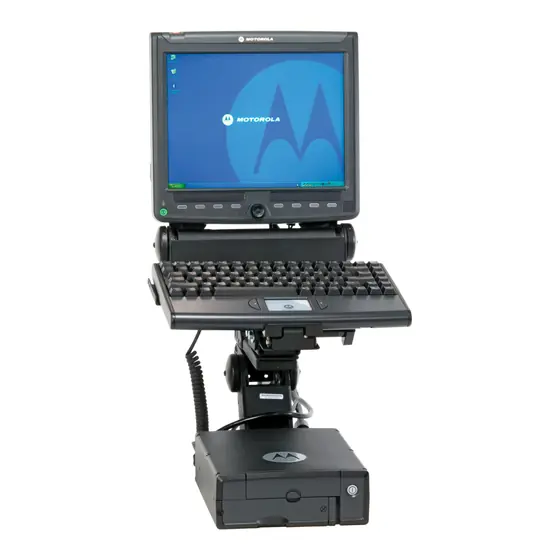
For anyone interested in the evolution of rugged mobile computing, my MW800 Model Specific Archives offers a deep dive into one of Motorola’s most notable mobile workstations. Introduced in the early 2000s, the Motorola MW800 was designed as a high-performance, vehicle-mounted solution for professionals who required reliable computing in the field. Law enforcement officers, emergency responders, utility technicians, and other mission-critical operators depended on this system for on-the-go access to data, mapping, communication, and reporting tools.
The Motorola MW800 built upon the foundation laid by its predecessor, the Motorola MW520 Mobile Workstation, while introducing several enhancements that made it more capable in demanding environments. Its modular architecture separated the vehicle-mounted CPU from the touchscreen interface, reducing heat buildup and improving installation flexibility in crowded vehicle interiors. This design also helped improve overall system reliability. This was a crucial factor for organizations that could not afford downtime during critical operations.
Durability was a central feature of the Motorola MW800. The workstation was built to meet MIL-STD-810 standards, offering resistance to shock, vibration, dust, moisture, and extreme temperatures. The sunlight-readable touchscreen allowed users to operate the system in bright outdoor conditions, while flexible input/output options supported integration with vehicle systems and a variety of peripherals. From mobile printers to cameras, license plate readers, and specialized radio interfaces, the Motorola MW800 could adapt to a wide range of operational needs.
Running Microsoft Windows operating systems, including Windows XP, the Motorola MW800 supported a broad array of field applications. Intel-based processors, typically Pentium III or Mobile Pentium M chipsets, combined with upgradable system memory and ruggedized storage, provided the computing power required for real-time data access, GPS navigation, and secure communications. Wireless connectivity options such as Wi-Fi, Bluetooth, and cellular modems ensured that mobile professionals remained connected, even in remote or fast-moving environments.
The Motorola MW800 saw widespread adoption across North America and beyond, with police departments, fire and rescue services, and utility companies relying on it for daily operations. Its versatility and reliability made it an indispensable tool for organizations that needed dependable in-vehicle computing without compromising on mobility or performance. As mobile technology advanced, the Motorola MW800 eventually reached the limits of its hardware, paving the way for its successor, the MW810. The MW810 built upon the MW800’s proven design while introducing faster processors, higher-resolution displays, and enhanced wireless capabilities.
My MW800 Model Specific Archive page serves as a centralized hub for all resources related to this workstation. Visitors will find a wealth of materials, including marketing documents, installation and user guides, service bulletins, firmware and software downloads, and links to related Motorola mobile computing platforms such as the MW520 and MW810. Whether you are a collector, technology historian, amateur radio enthusiast, or a current user seeking technical references, this archive provides a detailed view into the MW800’s design, capabilities, and legacy.
Exploring the archives not only provides historical context but also highlights how Motorola addressed the growing demand for mobile computing in mission-critical applications. The MW800’s modular design, rugged build, and connectivity options reflect the era’s emphasis on reliability, flexibility, and adaptability in the field. By studying this workstation, enthusiasts and professionals can better understand the evolution of mobile computing solutions and appreciate the engineering considerations that shaped modern in-vehicle technology.
A Note for Amateur Radio Operators
Many Amateur Radio Hobbyists & Motorola Enthusiasts like myself, upgraded our old MW520’s and sought out surplus or retired MW800’s as agencies upgraded their fleets. These new and faster units provided many advantages over the older MW520.
I repurposed my surplus MW800 system for a variety of new amateur radio projects such as Automatic Packet Reporting System (APRS) and in vehicle turn by turn navigation using Global Position System (GPS) software during weather spotting and other related activities.
By interfacing these mobile workstations with VHF and UHF radios, hobbyists could explore mobile and field-based applications that mirrored the professional environments the Motorola MW800 was originally built for. This bridged the gap between professional mobile computing and the amateur radio community.
The Motorola MW800 was another important chapter in the history of mobile computing. Its rugged design, modular architecture, and versatile connectivity made it a trusted tool for law enforcement, emergency services, and other field professionals.
By preserving manuals, service bulletins, software, and other historical documentation, my Motorola MW800 Model Specific Archives is available to provide other enthusiasts, historians, and users with resources to restore a MW800 to full working order. If you’re interested in Motorola’s Mobile Workstation product line, then my MW520 Model Specific Archive and MW810 Model Specific Archive might be are worth checking out.