The Definitive History of the
Tuscola & Saginaw Bay Railway Inc. 1977-2006
A Ten-Part Series Exploring the History, People, Places & Operations of the TSBY
Home |
The Tuscola & Saginaw Bay Railway Co. (TSBY) was a pivotal player in Michigan’s regional rail network for nearly 30 years. Transitioning from a state-subsidized operator of former Penn Central lines it became a successful private short-line enterprise. Established in April 1977, the TSBY initially focused on a 44-mile segment in the Michigan “Thumb” area. The first locomotive, the “Big Chief,” arrived in December 1977.
A significant expansion occurred when the State of Michigan tapped TSBY to operate substantial portions of the former Ann Arbor Railroad. This happened in two phases. First, the segment north of Ann Arbor to Alma and the St. Charles were taken over on October 1, 1982. The remaining northern portion to Elberta was taken over on October 1, 1984.
In 1991, Jim Shepherd purchased the railway. Through strategic partnerships with trucking firms and the use of facilities in cities like Vassar, Owosso, Cadillac, and Clare. Jim significantly grew annual carloads from approximately 7,000 to 10,000. TSBY was a Class III carrier with about 45 employees and a small fleet of EMD and Alco locomotives.
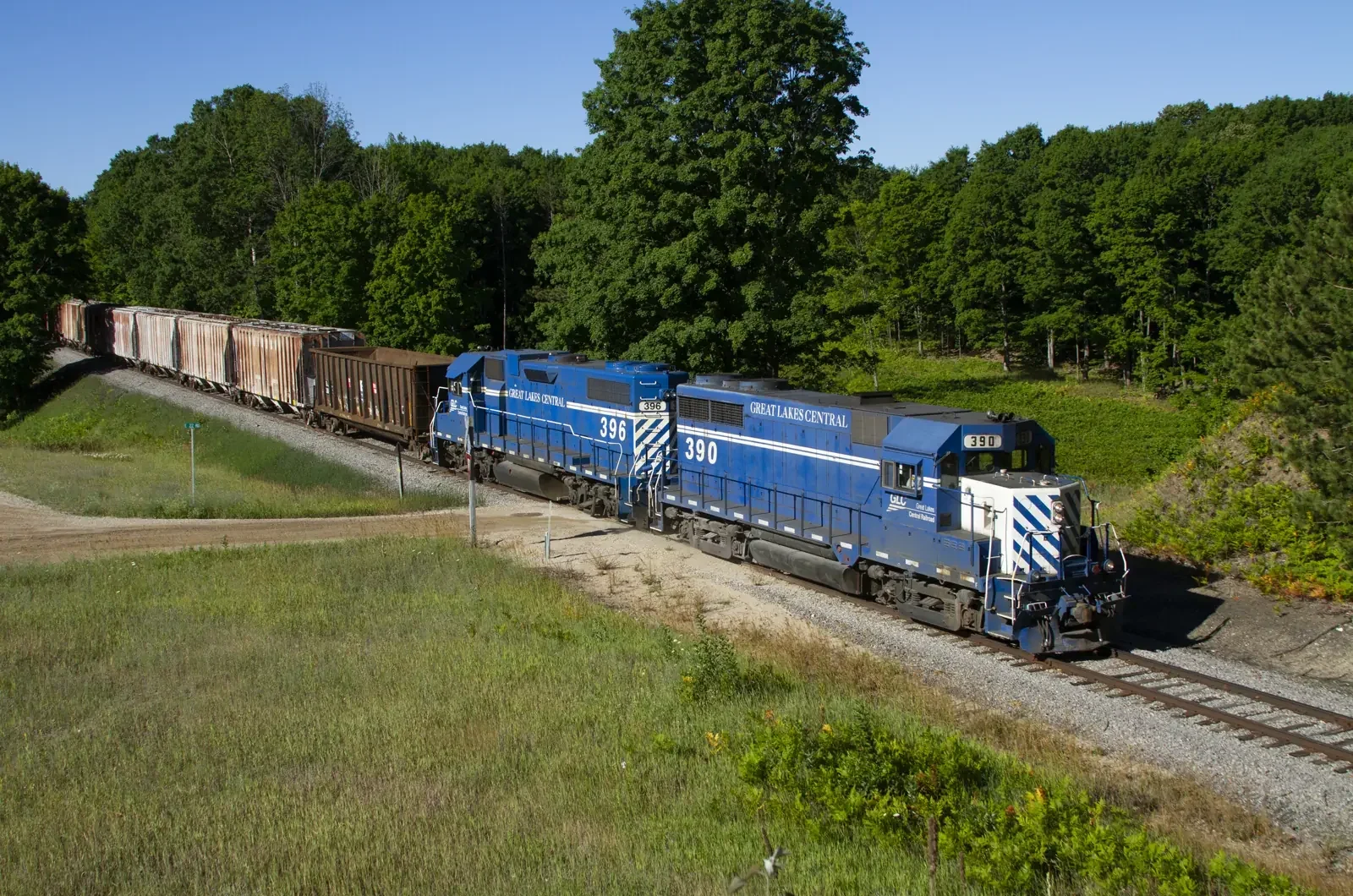
The company ended operations in May 2006 when Federated Railways, a subsidiary of Federal Capital Corporation acquired all the assets. Following the sale, the railway was renamed the Great Lakes Central Railroad, marking the end of the Tuscola & Saginaw Bay Railway Co. era.
Timeline of Milestone Events
Tuscola & Saginaw Bay Railway started operations in Vassar Michigan.
Tuscola & Saginaw Bay took over operations of the Ann Arbor Railroad North of Ann Arbor and Alma and the St. Charles branch.
Tuscola & Saginaw Bay took over Ann Arbor Railroad operations between Alma and Elberta.
Michigan Northern was removed as the designated operator of the state-owned lines north of Cadillac to Petoskey / Bay View, including the Traverse City area lines, and replaced by the TSBY
Tuscola & Saginaw Bay purchased about 2.5 miles of CSX track at Clare.
The Huron & Eastern Railway assumed operation of the original 54 miles TSBY operation near Vassar.
The Tuscola & Saginaw Bay Railway Co. was purchased by Federated Railways and renamed Great Lakes Central Railroad.
Explore the History, People, Places & Operations of the TSBY
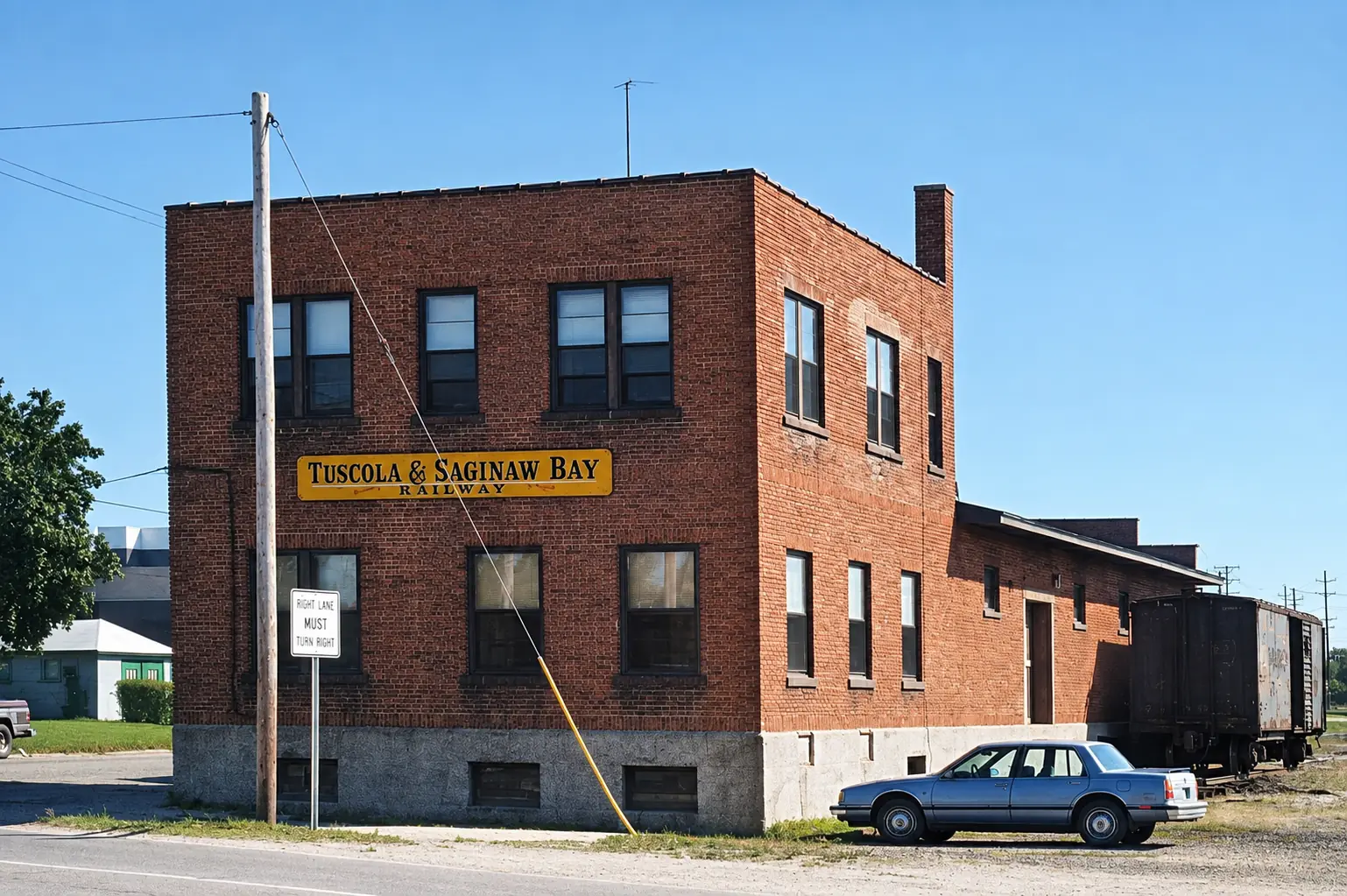
History of the Tuscola & Saginaw Bay Railway Inc.
Locations of Structures, Facilities and Assets
Read Time: 50 Minutes
History of the Tuscola & Saginaw Bay Railway Inc.
Customers and Commodities
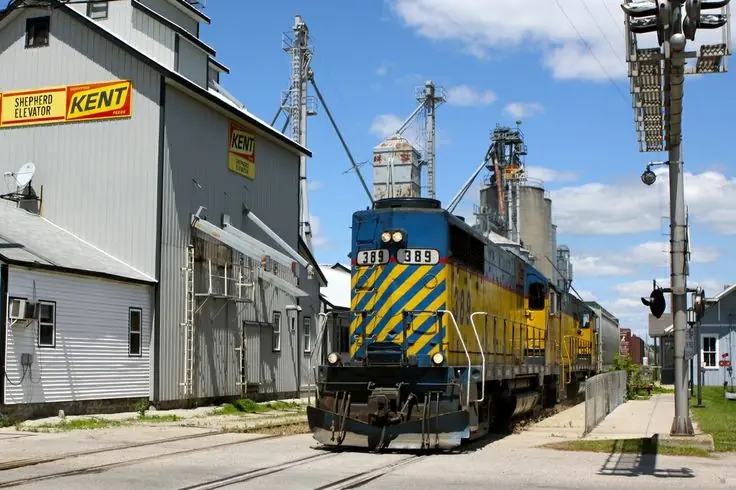
The Tuscola & Saginaw Bay Railway served a diverse range of customers and industries throughout Michigan’s Lower Peninsula, each with its own rail-service requirements. By combining historical records with modern research tools, including AI-assisted research, we can better understand the businesses served by the TSBY, the commodities they handled, and the railroad’s role in connecting these customers to the broader rail network.
Read Time: 0 Minutes
History of the Tuscola & Saginaw Bay Railway Inc.
Interchange Partners &
Connecting Railroad Locations
The Tuscola & Saginaw Bay Railway connected Michigan industries and agricultural producers with the broader North American rail network through interchange relationships with other railroads. These interchange points facilitated both inbound and outbound traffic, allowing freight to move between local customers and distant markets beyond the TSBY’s own lines.
Read Time: 0 Minutes
History of the Tuscola & Saginaw Bay Railway Inc.
Locomotives & Equipment Roster
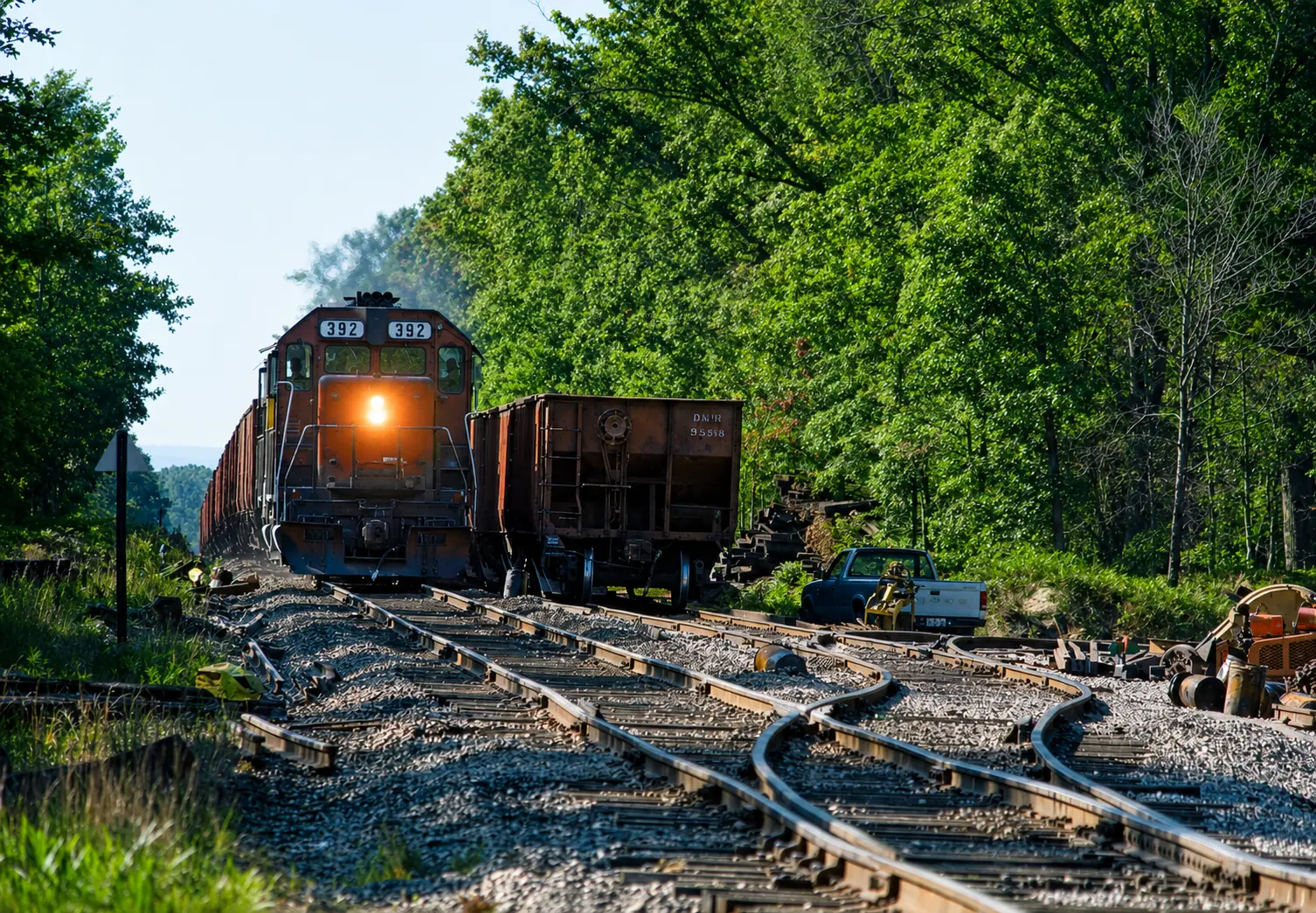
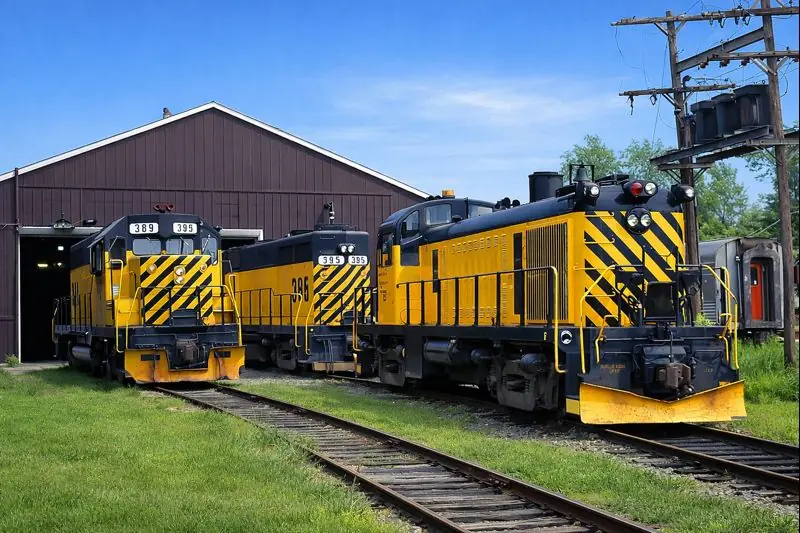
The Tuscola & Saginaw Bay Railway operated a relatively small but varied fleet of locomotives, freight cars, and maintenance-of-way equipment, including both owned and leased equipment. Although numerous locomotives were associated with the railroad over the years, only a select few were regularly operated by the TSBY. This section documents equipment acquired, purchased, or assigned directly to the railroad.
Read Time: 0 Minutes
History of the Tuscola & Saginaw Bay Railway Inc.
The Financial History of the TSBY
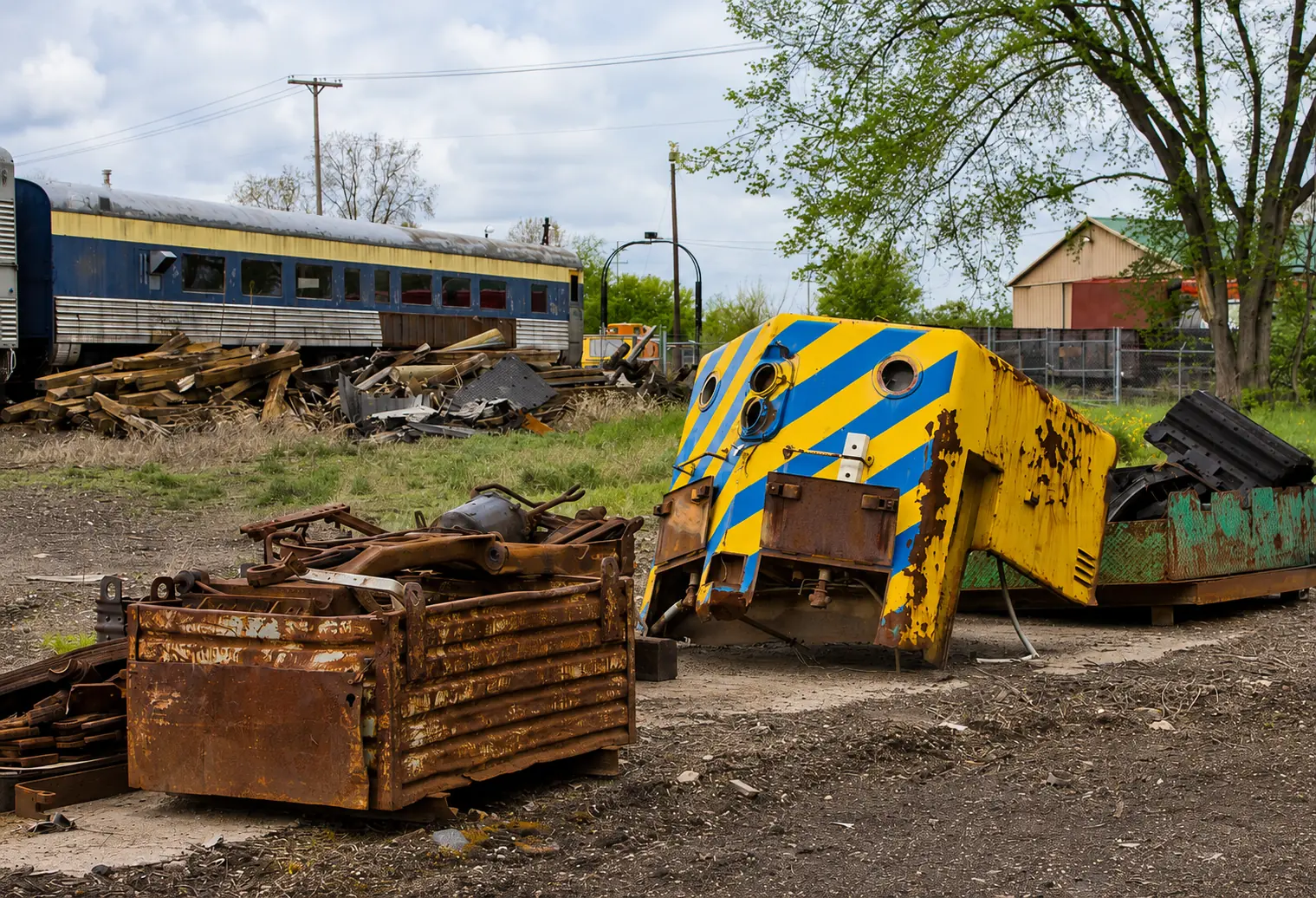
The financial history of the Tuscola & Saginaw Bay Railway provides another perspective on the railroad’s development and operation. Where records are available, this section examines revenues, operating performance, and other financial information to help illustrate the economic realities of operating a regional short-line railroad in Michigan.
Read Time: 0 Minutes
History of the Tuscola & Saginaw Bay Railway Inc.
Working for the TSBY
The Tuscola & Saginaw Bay depended on its employees to operate trains, maintain infrastructure, serve customers, and keep the railroad moving. This section explores the people who worked for the railroad, the jobs they performed, and what life was like for those who worked on and around the Tuscola & Saginaw Bay Railway.
Read Time: 4 Minutes

History of the Tuscola & Saginaw Bay Railway Inc.
The Jim Shepard Era
Jim Shepard was one of the central figures in the development and operation of the Tuscola & Saginaw Bay Railway. This section examines the TSBY during the Shepard era, including its operations, growth, people, equipment, and significant events, while exploring the lasting influence he had on the railroad and its communities.
Read Time: 3 Minutes

History of the Tuscola & Saginaw Bay Railway Inc.
The Sale of TSBY to Federated Railways
After nearly three decades of operation, the Tuscola & Saginaw Bay Railway entered a new chapter with its sale to Federated Railways. This section examines the circumstances surrounding the sale, the transition in ownership into the Great Lakes Central, and the changes that followed, bringing the story of the independently operated TSBY era to a close.
Read Time: 3 Minutes
History of the Tuscola & Saginaw Bay Railway Inc.
Preserving TSBY History
Although the Tuscola & Saginaw Bay Railway no longer operates as an independent railroad, its history remains visible through surviving infrastructure, photographs, documents, records, and personal memories. This section focuses on efforts to document and preserve that history for future generations of railroad historians, model railroaders, former employees, and others interested in Michigan’s short-line railroads.
Read Time: 5 Minutes
My Tuscola & Saginaw Bay Model Railroad
Today, the railway remains only with its operational footprint and history. Some railfans like myself bask in its former glory, keeping it near and dear in our hearts. The company’s story serves as a valuable case study in the rail industry. It demonstrated the evolution of a short line that successfully navigated the complexities of state contracts, equipment acquisitions, and market demands for nearly thirty years. The Tisbee’s journey from a small operator in Vassar to a significant regional carrier remains a point of interest for many of us still to this day.
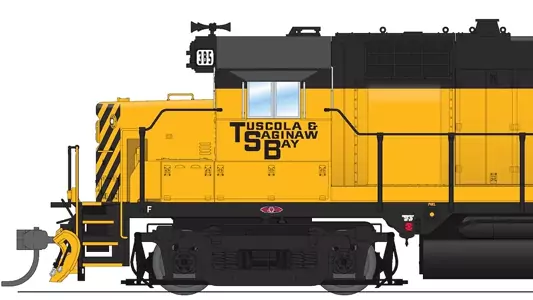
For a select few like myself, carrying on it’s legacy is a labor of love in miniature. As a former Michigander and a current model railroader, I encourage you to follow along with My Layout Progress Journal as I navigate the complexities of building the Tuscola & Saginaw Bay Model Railroad in HO Scale. My layout journal showcases my build progress threw informational articles in chronological order from conception to completion as I work to build my miniature HO Scale empire.
Frequently Asked Questions
What was the Tuscola & Saginaw Bay Railway (TSBY)?
The Tuscola & Saginaw Bay Railway (TSBY) was a Michigan short line railroad formed in 1977 to preserve freight rail service on former Penn Central and other abandoned rail lines in the state’s Lower Peninsula.
What happened to the Tuscola & Saginaw Bay Railway?
The Tuscola & Saginaw Bay Railway (TSBY) ceased operating under that name in 2006 when it was reorganized and renamed the Great Lakes Central Railroad, which continues freight rail operations today.
Why was the Tuscola & Saginaw Bay Railway created in Michigan?
The TSBY was created to preserve essential rail freight service in rural Michigan after widespread railroad abandonment in the 1970s. It ensured continued rail access for agriculture and industry.
Where did the Tuscola & Saginaw Bay Railway operate?
The TSBY operated in Michigan’s Lower Peninsula, serving central and northern regions including Tuscola County, Saginaw, and Bay City. It connected rural industries to major rail interchange points.
What type of freight did the Tuscola & Saginaw Bay Railway transport?
The Tuscola & Saginaw Bay Railway handled agricultural products, grain, lumber, chemicals, and manufactured goods. These shipments supported Michigan’s rural economy and industrial supply chains.
When did the Tuscola & Saginaw Bay Railway stop operating under that name?
The Tuscola & Saginaw Bay Railway name was retired in 2006 when operations were reorganized and renamed the Great Lakes Central Railroad (GLC), which continues rail service across much of the same network today.
What railroad replaced the Tuscola & Saginaw Bay Railway?
The Tuscola & Saginaw Bay Railway was succeeded by the Great Lakes Central Railroad, which expanded operations and modernized infrastructure while continuing service on many of the same rail corridors.
Is the Tuscola & Saginaw Bay Railway still operating today?
No. The Tuscola & Saginaw Bay Railway is no longer operating under that name. Its rail lines continue to operate today under the Great Lakes Central Railroad in Michigan.
Why is the Tuscola & Saginaw Bay Railway historically important?
The TSBY is historically important because it helped preserve Michigan’s rural rail network during a period of major railroad abandonment in the United States, ensuring long-term freight service for local communities.
What is the connection between TSBY and the Great Lakes Central Railroad?
The Great Lakes Central Railroad is the direct successor to the Tuscola & Saginaw Bay Railway. It inherited and modernized much of the original TSBY rail network.
What lines did the Tuscola & Saginaw Bay Railway preserve?
The TSBY preserved multiple former Penn Central and regional rail lines in Michigan that were at risk of abandonment, keeping key agricultural and industrial corridors active.
Preserving TSBY History
Structures, Facilities and Assets

